Tow Hitch Installation: How Much Will It Set You Back?

Joel Phillips • January 14, 2025

Tow Hitch Installation Costs: What You’ll Really Pay

When considering how much does a tow hitch installation cost, there are several factors to keep in mind. At The Hitch Corner, with multiple locations across Colorado, we've been serving the community for over three decades, helping outdoor enthusiasts like John in Denver make informed decisions.


Typical cost factors include:

  • Vehicle Type: Costs can vary based on the make and model of your truck or SUV.
  • Hitch Class: Different classes such as Class I to Class V affect both compatibility and price.
  • Installation Complexity: Simpler installations may take less time and labor compared to those needing specialized equipment or modifications.


If you're planning a trip to the Rockies, having the right towing capacity is essential. Understanding if your vehicle can handle the load is crucial, as exceeding these limits can lead to safety issues or damage. In Littleton, Colorado Springs, and other locations, we offer professional hitch installation options. This service ensures you’re equipped for everything, whether it’s a weekend trip or a cross-country journey.


How Much Does a Tow Hitch Installation Cost?

When exploring how much does a tow hitch installation cost, it's important to understand the variables that can affect pricing. At The Hitch Corner, with locations throughout Colorado, we aim to provide clarity on this topic for our community.


Average Cost and Price Range

On average, the cost of a tow hitch installation can range from $100 to $500. This wide range reflects the different types of hitches and vehicles involved. For instance, a simple Class I hitch installation on a compact car might be on the lower end, while a heavy-duty Class V hitch for a large truck can reach the higher end of the spectrum.


Vehicle-Specific Costs

The make and model of your vehicle play a significant role in determining the cost. For example, a Chevrolet Silverado 1500, known for its robust towing capacity, may require a more complex and costly installation compared to a standard passenger vehicle. In contrast, a Jeep Wrangler, with its unique design, might need specialized equipment, influencing the overall cost.


Local Expertise and Benefits

At our Aurora and Lakewood locations, we offer custom services to meet the specific needs of our Colorado customers. Whether you're gearing up to tow a boat to Chatfield State Park or planning a camping trip in the Rockies, our team ensures your hitch is installed safely and correctly.


We also provide same-day installation services at our Aurora location, making it convenient for those last-minute plans. This service not only saves time but also guarantees that your vehicle is road-ready for any trip.


For more information on the types of hitches available, check out our Types of Trailer Hitches guide. And if you're unsure about your vehicle's towing capacity, our Guide to Hitch Classes in Colorado can help you make an informed decision.


We invite you to visit any of our locations, including Littleton and Colorado Springs, for a personalized consultation and to learn more about our installation options.


Types of Trailer Hitches

Choosing the right trailer hitch is crucial for a safe and efficient towing experience. Let's explore the three main types: receiver hitches, fifth-wheel hitches, and gooseneck hitches. Each has unique features suited to different towing needs.


Receiver Hitches

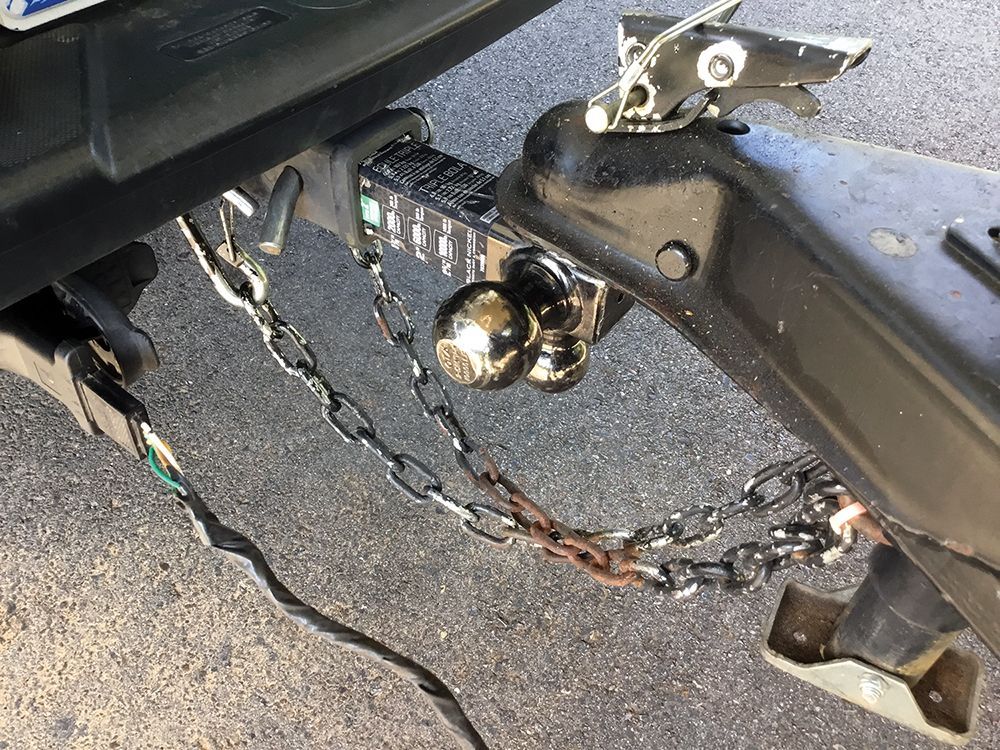
Receiver hitches are the most common type and are versatile for many towing applications. They are typically mounted to the frame of the vehicle and come in various classes, from Class I to Class V, depending on the weight capacity.


  • Class I and II: Ideal for light-duty tasks like towing small trailers or bike racks. Perfect for compact cars and SUVs.
  • Class III and IV: Suitable for medium to heavy-duty towing, such as utility trailers or larger boats. Often used on trucks and larger SUVs.
  • Class V: Designed for the heaviest loads, including large trailers and construction equipment. Best for heavy-duty trucks.


Receiver hitches are popular in Colorado, especially for those planning trips to destinations like Chatfield State Park or the Rocky Mountains. They offer the flexibility to attach a variety of towing accessories, making them a top choice for local trips.


Fifth-Wheel Hitches

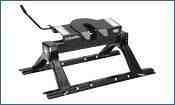
Fifth-wheel hitches are designed for towing large trailers, such as RVs and campers. They are mounted in the bed of a pickup truck and provide a stable connection point, offering better maneuverability and weight distribution.


  • Long Bed Trucks: Typically use a fixed fifth-wheel hitch, which is straightforward to install and provides a strong connection.
  • Short Bed Trucks: Often require a slider hitch to prevent the trailer from hitting the cab during tight turns. This is essential for navigating Colorado's winding mountain roads.


Fifth-wheel hitches are a favorite among Colorado's RV enthusiasts, providing the stability needed for long road trips across the state's diverse landscapes.


Gooseneck Hitches

Gooseneck hitches are similar to fifth-wheel hitches but are typically used for towing livestock trailers or commercial equipment. They attach to a ball mounted in the truck bed, allowing for tight turns and a higher weight capacity.


  • Stability and Versatility: Gooseneck hitches offer excellent stability, making them ideal for heavy loads. They are a common sight on Colorado's ranches and farms.
  • B&W Gooseneck Hitch: Known for its reliability, this brand is popular among local towing experts for its robust design and ease of use.


These hitches are perfect for those in Colorado Springs and Sedalia, where agricultural and commercial towing needs are prevalent.


For more detailed information, you can explore our comprehensive Guide to Towing & Trailer Hitch Installation. This resource will help you understand which hitch is best suited for your vehicle and towing requirements.


We encourage you to visit our Littleton or Arvada locations to speak with our experts. They can help you choose the perfect hitch for your next Colorado trip.


Factors Affecting Installation Cost

When considering how much does a tow hitch installation cost, understand that several factors can influence the overall price. Let's break down these factors to help you make an informed decision.


Vehicle Model

The make and model of your vehicle play a significant role in determining installation costs. Some vehicles come with pre-drilled holes and straightforward access points, making the installation process quicker and cheaper. Others might require more intricate work or additional modifications, which can drive up labor costs.


  • Compact Cars and SUVs: Typically have easier access for hitch installation, resulting in lower labor costs.
  • Trucks and Larger SUVs: May require more robust hitches and additional reinforcements, potentially increasing the cost.
  • Luxury Vehicles: Often need special considerations to maintain aesthetic appeal, possibly leading to higher costs due to custom work.


Hitch Type

The type of hitch you choose also impacts the installation cost. Different hitches require varying levels of expertise and time to install.


  • Receiver Hitches: Generally the most affordable option, especially for light-duty towing. Installation is straightforward for most vehicles.
  • Fifth-Wheel and Gooseneck Hitches: These are more complex to install, often requiring modifications to the truck bed. They are typically more expensive due to the labor involved.


Installation Complexity

The complexity of the installation can vary based on the specific requirements of your vehicle and the hitch type.


  • Simple Installations: Involve straightforward attachment to existing mounting points. These are quicker and less costly.
  • Complex Installations: May require drilling, wiring, or removal of parts like the exhaust system. These factors increase both the time and cost of installation.


For example, a basic receiver hitch on a standard SUV might take only an hour or two, while a gooseneck hitch on a pickup could take several hours due to the need to modify the truck bed and ensure proper clearance.


Local Expertise

Choosing a local expert like The Hitch Corner in Littleton, CO, can also influence costs. With over 20 years of experience serving the Colorado community, our team can offer efficient installations custom to local needs. Our familiarity with Colorado's towing requirements and terrains ensures that you get the best service possible.


For more insights on choosing the right hitch and understanding installation costs, don't hesitate to contact our experts at any of our Colorado locations. We’re here to help you get road-ready for your next trip, whether you're heading to the Rockies or exploring the scenic routes of Colorado.


DIY vs. Professional Installation

When it comes to installing a tow hitch, you have two main options: doing it yourself (DIY) or hiring a professional. Each approach has its pros and cons, and the right choice depends on your budget, skill level, and time availability.


DIY Savings

Opting for a DIY installation can save you money on labor costs. If you're handy with tools and have some mechanical know-how, you might find this option appealing. You'll need essential tools like a socket set, torque wrench, and jack stands. Some installations may also require a drill or wire brush, as noted in the Hitch Corner's comprehensive guide.


  • Pros: Cost-effective if you already have the necessary tools. You can work at your own pace and learn new skills.
  • Cons: Time-consuming, especially if you're new to hitch installations. Mistakes can lead to safety issues.


Professional Benefits

Hiring a professional installer offers several advantages, particularly if you're short on time or unsure about handling the installation yourself. Professionals have experience working with various vehicle models and hitch types, ensuring a secure and safe installation.


  • Pros: Quick and hassle-free. Professionals can often complete the job in 30 minutes to 2 hours, depending on complexity. They also ensure proper alignment and safety checks, reducing the risk of towing issues.
  • Cons: Higher upfront cost due to labor fees. However, the peace of mind and time saved can be worth the investment.


For instance, customers at The Hitch Corner have praised the quick and friendly service, highlighting professional installations that took less time than anticipated and were done to high standards. Matt Madsen, who had a hitch installed on his Ford Escape, said, "Very quick and friendly service. Job well done. Highly recommend."


Installation Time

The time it takes to install a tow hitch can vary significantly. A straightforward receiver hitch on a common vehicle might take as little as 30 minutes. In contrast, more complex hitches like fifth-wheel or gooseneck installations can take several hours due to the need for modifications.


Whether you choose DIY or professional installation, understanding the time commitment is crucial. If you're in a hurry, professional services at local shops like The Hitch Corner in Littleton, CO, can ensure you're ready for your next trip without delay.


In summary, both DIY and professional installations have their merits. If you're confident in your skills and have the time, DIY can be a rewarding experience. However, for those who prefer a guaranteed, hassle-free process, professional installation is the way to go.


For more information, visit our services page or contact any of our Colorado locations. We're here to help you choose the best option for your needs, ensuring a safe and reliable towing setup.


Frequently Asked Questions about Tow Hitch Installation


How long does it take to install a tow hitch?

The time required to install a tow hitch can vary based on several factors. Generally, a simple installation on a standard vehicle might take anywhere from 30 minutes to 2 hours. However, if you're dealing with more complex setups like fifth-wheel or gooseneck hitches, expect the process to take longer due to additional modifications required.


Vehicle-specific considerations also play a role. For instance, some trucks might require lowering the spare tire or temporarily removing the exhaust system to access mounting points. This is why professional installers, like those at The Hitch Corner in Boulder, CO, can often complete the job more efficiently, thanks to their experience with various vehicle models and hitch types.


Can I install a trailer hitch by myself?

Yes, you can install a trailer hitch yourself, but it requires the right tools and some mechanical know-how. For a DIY installation, you'll need a socket set, torque wrench, and jack stands. Additional tools like a drill or wire brush might be necessary depending on your vehicle's specific requirements.


Safety considerations are crucial. Ensure you have a safe workspace with proper lighting and no trip hazards. Follow the manufacturer's instructions closely, paying attention to torque specifications and wiring guidelines. For those in Denver, Colorado, who enjoy hands-on projects, DIY installation can be a cost-effective way to add towing capability to your vehicle. However, mistakes can lead to safety issues, so proceed with caution.


Is it worth it to install a trailer hitch?

Installing a trailer hitch is a valuable investment for many vehicle owners. It improves your vehicle's towing capability, allowing you to haul trailers, bikes, or cargo carriers, which is particularly beneficial for outdoor enthusiasts in areas like Thornton, CO. A trailer hitch can also increase your vehicle's versatility and resale value.


Towing benefits include the convenience of transporting larger items and the ability to take on spontaneous trips, such as trips to the Rocky Mountains or local Colorado parks. For those who frequently tow, investing in a high-quality hitch and professional installation ensures safety and reliability on the road.


Whether you choose a DIY approach or professional installation, adding a trailer hitch to your vehicle opens up a world of possibilities, making it a worthwhile improvement for many drivers. If you have more questions or need assistance, visit The Hitch Corner's services page or stop by one of our Colorado locations for expert advice.


Conclusion

At The Hitch Corner, we pride ourselves on delivering exceptional service and ensuring our customers leave satisfied. With over 50 years of experience serving the Littleton and greater Metro Denver area, we have become a trusted name for all your towing needs. Our professional-grade installations come with a 12-month/12,000-mile warranty, covering the workmanship of our services, so you can drive away with confidence.


Our commitment to customer satisfaction is reflected in our 4.8/5 rating, a testament to the quality and reliability of our services. We understand the importance of a properly installed tow hitch, which is why we offer personalized solutions custom to your specific vehicle and towing requirements. Whether you're planning a weekend getaway to the Rocky Mountains or need to transport equipment across town, our team is here to ensure your towing setup is safe and efficient.


For those considering a tow hitch installation, we invite you to explore our trailer hitch options and find how we can improve your vehicle's capabilities. Visit one of our Colorado locations, from Arvada to Thornton, and experience the expert service and local knowledge that sets us apart. Stop by today, and let us help you get road-ready for your next trip!


The Hitch Corner:
10677 W. Centennial Rd. Suite 103
Littleton, CO 80127


We're here to answer any questions and provide the guidance you need for a successful tow hitch installation. Your satisfaction is our top priority, and we look forward to serving you!
By Harold Kiefer April 14, 2026
Before you load up the camper, hook up the boat, or strap down the ATVs — read this. It could save your life on Colorado's most dangerous roads. There's nothing quite like a Colorado summer. The smell of pine trees in the morning air. A glassy mountain lake waiting for your boat. A campsite so far from the city that the only lights you see at night are stars. Millions of Colorado families load up their trailers every year and head for the hills - to Rocky Mountain National Park, Dillon Reservoir, Steamboat Springs, Pagosa Springs, and hundreds of other incredible destinations tucked into the Rockies. But here's what most of those drivers don't think about until it's too late: The road to those destinations is one of the most demanding towing environments in the entire United States. We're talking about I-70 mountain grades that drop 6-7% for miles at a stretch. High-altitude passes like Vail Pass, Eisenhower Tunnel, and Wolf Creek Pass where thin air robs your engine of power. Sudden afternoon thunderstorms that turn highways into rivers. Tight switchbacks where an unbalanced trailer can pull your rear end into oncoming traffic in a fraction of a second. Colorado doesn't forgive towing mistakes. At Hitch Corner in Littleton, we've seen firsthand what happens when drivers hit those mountain roads with the wrong hitch, a faulty wiring harness, or an improperly loaded trailer. We've had customers come in shaken after near-misses on US-285. We've inspected vehicles that were one mountain pass away from a catastrophic failure. And almost every single time, the problem was completely preventable. This guide is our way of making sure that doesn't happen to you. Why Colorado Is Different - And Why It Matters for Towing Most towing guides are written for flat, straight highway driving. Attach your trailer, check your mirrors, and cruise at 65 mph on a Kansas interstate. Simple enough. Colorado is not Kansas. Here's what makes towing in the Rockies uniquely challenging: The Grades Are Relentless The stretch of I-70 between Denver and Vail is famous for good reason. Westbound, you climb over 3,000 feet in about 60 miles. Eastbound, you descend those same 3,000 feet - and that's where trailers become dangerous. On a sustained downhill grade with a loaded trailer, your brakes work harder than they ever would on flat ground. Without a properly installed brake controller and functioning trailer brakes, you're asking your tow vehicle's brakes alone to control thousands of extra pounds pushing you downhill. That's not a towing challenge. That's a physics problem with very bad potential outcomes. Weather Changes in Minutes You can leave Littleton on a sunny 75-degree morning and hit a full whiteout blizzard by the time you reach the Eisenhower Tunnel - even in June. Wet roads, reduced visibility, and crosswinds dramatically increase the risk of trailer sway. And trailer sway on a mountain pass is one of the most terrifying situations a driver can face. Altitude Affects Your Engine At 11,000 feet, your engine produces roughly 25–30% less power than it does at Denver's elevation. That means your tow vehicle is working significantly harder to pull the same load. If your hitch and weight distribution setup isn't dialed in correctly, the extra strain can accelerate wear, overheat your transmission, and reduce your vehicle's braking effectiveness. The Roads Are Unforgiving Tight canyon roads with no shoulder. Steep drop-offs with minimal guardrails. Sharp corners with limited sight lines. A trailer that's slightly off-balance on a flat Kansas highway might be perfectly manageable. That same trailer on a hairpin turn above Glenwood Canyon is a completely different story. The 5 Most Dangerous Towing Mistakes We See at Hitch Corner We inspect and install hitches every single day. Here are the five problems we encounter most often - and why each one is more dangerous than most drivers realize. ❌ Mistake #1: Using the Wrong Hitch Class for Your Load Trailer hitches are rated in classes — Class I through Class V — each designed to handle a specific range of trailer weights and tongue loads. Here's a quick breakdown: Hitch Class Max Gross Trailer Weight Common Use Class I Up to 2,000 lbs Small bike racks, lightweight cargo Class II Up to 3,500 lbs Small utility trailers, canoes Class III Up to 8,000 lbs Most campers, boats, mid-size trailers Class IV Up to 10,000 lbs Large campers, heavy utility trailers Class V Up to 20,000+ lbs Commercial loads, heavy equipment Here's where people get into trouble: they guess. They bought a truck, assumed the dealer put on the right hitch, and never thought about it again. Or they bought a used vehicle and have no idea what class hitch is on it. Or they upgraded their trailer but never upgraded the hitch. A Class II hitch rated for 3,500 lbs cannot safely tow a 5,000-lb camper. Period. The hitch receiver can crack, the ball mount can fail, and the trailer can separate from the vehicle entirely. On a mountain road, that's not just a mechanical failure - it's a life-threatening emergency. What to do: Know your trailer's loaded weight (not just its dry weight - account for water, gear, food, bikes, and everything else you're packing). Then verify your hitch class matches or exceeds that weight. When in doubt, come see us. We'll check it for free. ❌ Mistake #2: Ignoring the Wiring Harness Your trailer's brake lights, turn signals, and running lights all depend on a properly functioning wiring harness connecting your tow vehicle to your trailer. It sounds basic. It should be basic. But wiring harnesses fail more often than you'd think - and when they do, the consequences are serious. Colorado winters are brutal on electrical connections. Road salt, moisture, temperature swings from -10°F to 80°F, and the constant vibration of mountain roads all take a toll on wiring connections over time. Corroded connectors, frayed wires, and loose grounds are incredibly common on vehicles that have been towing for more than two or three seasons. What happens when your trailer lights fail? The driver behind you on a foggy mountain pass has no warning when you brake. Your turn signal disappears when you're changing lanes on I-70. Your trailer becomes essentially invisible in low-light conditions. It's also worth noting: non-functioning trailer lights are a moving violation in Colorado. Officers on mountain corridors watch for this specifically. A faulty harness can mean a ticket before you even reach your destination. What to do: Test your trailer lights every single time before you depart - not just at the beginning of the season. Have your wiring harness professionally inspected at least once a year, especially if you tow frequently or park your trailer outdoors through the winter. ❌ Mistake #3: Incorrect Tongue Weight and Weight Distribution Tongue weight is the amount of your trailer's total weight that presses down on the hitch ball. It's one of the most misunderstood concepts in towing - and getting it wrong causes some of the most dangerous trailer behaviors on the road. Too little tongue weight (under 10% of total trailer weight): Your trailer's rear end becomes heavier than the front, which causes the trailer to sway back and forth like a pendulum. At highway speeds on a mountain highway, this sway can become violent and uncontrollable in seconds - a phenomenon called "trailer sway" or "fishtailing." Once a trailer starts to sway aggressively, it can pull the rear of your tow vehicle with it, flipping both vehicles. Too much tongue weight (over 15% of total trailer weight): The rear of your tow vehicle squats down, which lifts your front wheels slightly. Reduced front-wheel contact pressure means reduced steering effectiveness and reduced braking power on the front axle - exactly when you need it most on a mountain descent. The fix: Proper weight distribution starts with how you load your trailer (heavier items forward, balanced side to side) and is further corrected with a weight distribution hitch system on heavier trailer setups. A certified technician can verify your tongue weight with a scale and set up your weight distribution system correctly the first time. ❌ Mistake #4: No Brake Controller - or a Poorly Calibrated One If your trailer weighs more than 3,000 lbs loaded, Colorado law requires your trailer to have its own independent braking system. That means a brake controller installed in your tow vehicle that activates your trailer's electric brakes proportionally to how hard you're pressing your tow vehicle's brakes. A brake controller that isn't installed properly — or isn't calibrated correctly for your specific trailer - creates two dangerous scenarios: Under-braking: The trailer brakes don't activate with enough force. Your tow vehicle's brakes do all the work. Coming down a long mountain grade, this leads to brake fade, overheating, and potentially total brake failure. Over-braking: The trailer brakes lock up before the tow vehicle's brakes. This causes the trailer to push sideways, leading to - you guessed it - trailer sway. A properly installed and calibrated brake controller is one of the most important safety investments a Colorado tower can make. It's not optional, it's not just a nice upgrade - on heavy trailers in mountain terrain, it's the difference between a safe trip and a disaster. ❌ Mistake #5: Skipping the Pre-Trip Safety Inspection This might be the most common mistake of all - and the easiest to fix. Most people hitch up their trailer, check that it's attached, and drive away. They don't check the hitch ball tightness. They don't verify the safety chains are crossed correctly. They don't test the breakaway cable. They don't check tire pressure on the trailer. They don't confirm the trailer tongue is level. Each of these checks takes less than two minutes. Together, they take about fifteen minutes. And any one of them, if skipped, could be the thing that turns a beautiful Colorado weekend trip into a roadside emergency - or worse. We've put together a complete pre-trip safety checklist at the end of this article - download it, print it, and run through it every single time before you hit the road. What a Professional Hitch Installation Actually Includes There's a big difference between buying a hitch online and bolting it on yourself — and having a certified technician perform a professional installation. At Hitch Corner, every installation includes: Vehicle-Specific Hitch Selection - We don't grab whatever's on the shelf. We look up your exact vehicle year, make, model, and trim to identify the correct hitch with the proper fit, mounting points, and rating. A hitch that fits a 2019 Ford F-150 XLT is not necessarily the right hitch for a 2019 F-150 Platinum with a different frame configuration. Proper Torque Specifications - Every bolt on a hitch installation has a specific torque value specified by the manufacturer. Under-torqued bolts loosen over time and can allow the hitch to shift under load. Over-torqued bolts can strip threads or crack the hitch receiver. We use calibrated torque wrenches on every single installation. Wiring Harness Installation and Testing - We don't just plug in a connector and call it done. We test every circuit — brake lights, turn signals, running lights, and brake controller output — with a test trailer before the vehicle leaves our shop. Written Documentation - You receive a written record of what was installed, the hitch class and rating, and any notes from the technician. This matters for insurance purposes, warranty claims, and resale value. ✅ Final Road-Ready Verification - Before you drive away, we walk you through the installation, show you how to operate any new components, and answer every question you have. You leave knowing exactly what's on your vehicle and how to use it. Who Needs a Professional Hitch Inspection Right Now? You should schedule an inspection at Hitch Corner if any of the following apply to you: • ✔️ You bought a used vehicle and don't know the hitch history • ✔️ You upgraded to a larger trailer since your last hitch installation • ✔️ Your current hitch has visible rust, cracks, or physical damage • ✔️ Your trailer lights have been unreliable or intermittent • ✔️ It's been more than two years since your wiring harness was inspected • ✔️ You've never had a weight distribution or brake controller setup verified • ✔️ You're heading into the mountains for the first time this season • ✔️ Something just doesn't "feel right" when you tow That last one matters. Your instincts are good. If towing feels different than it used to - if there's more sway, more noise, more vibration, or something that's hard to put your finger on - trust it. Come see us. We'd rather spend thirty minutes finding nothing than have you discover a problem at 65 mph on Vail Pass. Hitch Corner: Littleton's Towing Specialists We opened Hitch Corner because we love Colorado - and because we got tired of seeing drivers hit these incredible mountain roads with equipment that wasn't up to the challenge. We are not a general auto shop that installs hitches on the side. We are not a big box retailer where a seasonal employee reads the instruction sheet while installing your hitch for the first time. We are dedicated hitch and towing specialists. It's all we do, and we do it better than anyone else in the Denver Metro area. What sets us apart: • Certified towing specialists - not general mechanics • Most appointments available in 2-3 days for installations, sometimes the same day • Experience with all makes and models - trucks, SUVs, minivans, cars • Transparent flat-rate pricing - no surprises at checkout • Locally owned and operated in Littleton, CO • Hundreds of five-star Google reviews from your neighbors Whether you need a simple Class III hitch for a bike rack, a utility trailer, a full towing package with weight distribution and brake controller for a fifth wheel, or just a quick safety inspection before your first trip of the season - we've got you covered. Ready to Hit the Road with Confidence? Don't let a preventable equipment failure ruin your Colorado adventure — or worse. Two easy ways to get started: 📥 Step 1: Download Your Free Colorado Towing Safety Checklist Our technicians use this exact checklist on every vehicle in our shop. Download it, print it, and run through it before every trip. 👉 Download the Free Checklist By Clicking On The Button Below This Text 📅 Step 2: Book Your Installation or Inspection Most appointments available in 2-3 days, sometimes the same day. Certified technicians. Transparent pricing. 📞 Call or Text us directly: 303-904-1558 📍 10677 W Centennial Rd. #103, Littleton, CO 80127 🕐 Open Monday–Friday: 8 AM – 5 PM Saturday: 8 AM - Noon Hitch Corner has been serving Littleton, Highlands Ranch, Englewood, Centennial, and the greater Denver Metro area for 36 years. We specialize in trailer hitch installation, wiring harness installation, weight distribution systems, brake controller installation, and towing safety inspections for all makes and models.
Trailer Connected to Vehicle
By Joel Phillips March 28, 2026
Because not all hitches are created equal.
A white rv is parked on the side of the road.
By Joel Phillips May 30, 2025
From Wheels to Meals: Must-Have RV Supplies for Every Adventure
A black and white drawing of a chair on a white background.
By Harold Kiefer February 20, 2025
Discover the best 5th wheel hitch for dodge ram 2500 and learn about towing capacity, installation, costs, and expert solutions.
A red and white rv is parked in the snow.
By Harold Kiefer February 19, 2025
Discover top RV accessories for safety, style, and sustainability. Upgrade your camper with essential eco-friendly gear and smart gadgets.
A man is attaching a trailer to a car.
By Joel Phillips February 17, 2025
Stay safe on the road by avoiding common trailer hitch mistakes. Learn about proper hitch selection, weight distribution, and maintenance in Littleton, CO.
A close up of a trailer hitch with a chain attached to it.
By Joel Phillips February 17, 2025
Ensure safe towing with expert trailer hitch safety tips. Learn about weight distribution, hitch selection, and emergency preparedness in Littleton, CO.
A man is attaching a trailer to a truck.
By Joel Phillips February 17, 2025
Ensure safe towing with expert trailer hitch inspection tips. Learn how to check for rust, secure connections, and test safety features in Littleton, CO.
A black tow bar with a trailer hitch attached to it on a white background.
By Joel Phillips February 15, 2025
Discover expert trailer hitch wiring installation near me. Learn how to choose the right service, costs, and installation steps now!
A metal bracket with a ball on top of it on a white background.
By Joel Phillips February 14, 2025
Find top local services for Gooseneck hitch installation near me. Learn about costs, DIY tips, and professional installers.